Mark
Mark 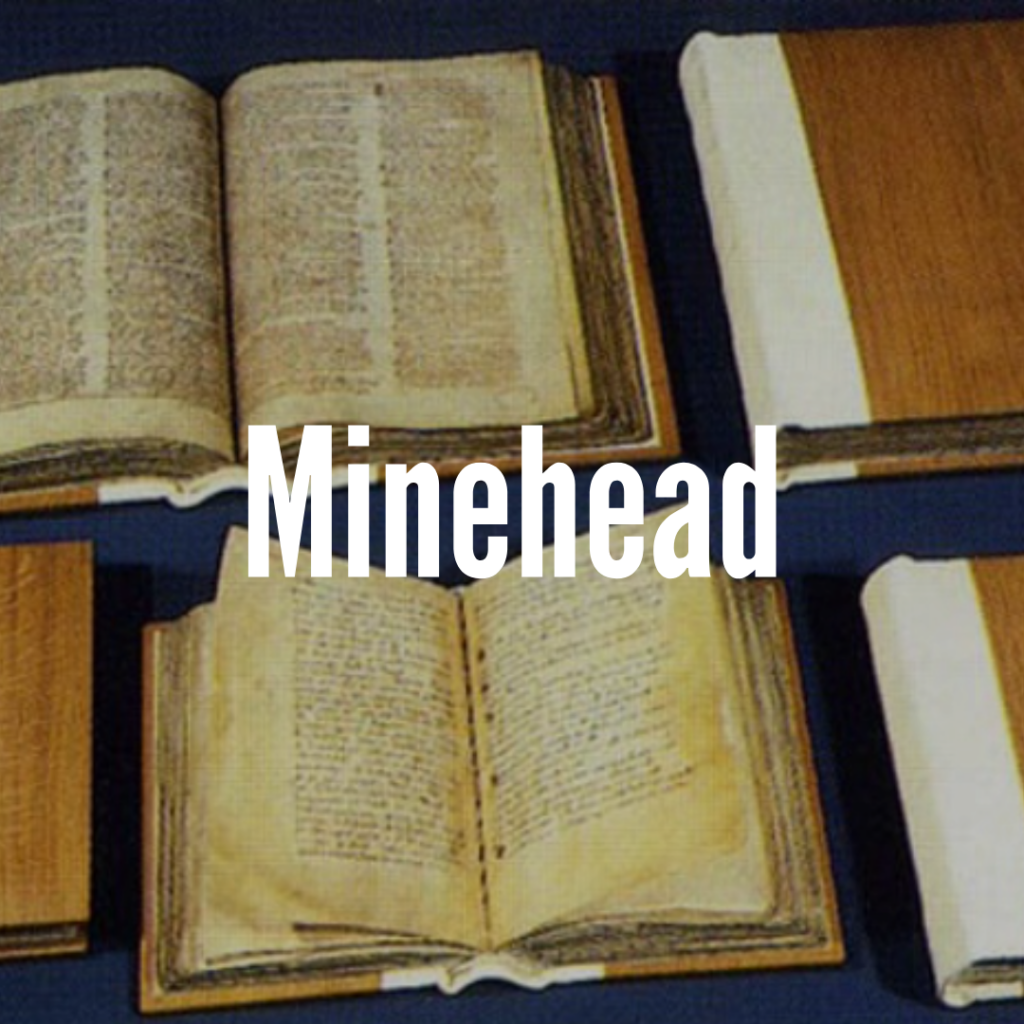
The reference to Minehead in the Domesday Book is one of the earliest written records of the town and provides a useful snapshot of its importance in the 11th century.
What the Domesday Book actually records
- In 1086, Minehead was listed as “Minehe” or similar early spellings.
- It was part of the landholdings of William de Mohun, a Norman lord who built Dunster Castle nearby.
- The entry shows Minehead was already an established settlement with taxable value, not a new village.
What this tells you about the town
- Minehead existed before 1086, likely as an Anglo-Saxon settlement.
- Its inclusion means it had economic value, probably linked to:
- Fishing
- Small-scale trade across the Bristol Channel
- Agriculture in the surrounding land

Name origin
- The name “Minehead” likely comes from:
- Old English “myned” meaning a hill or mound
- Combined with “head,” referring to a headland or coastal point
- This reflects its geography, sitting between the coast and the rising land toward Exmoor
Why the Domesday reference matters
- The Domesday Book was ordered by William the Conqueror to assess land and wealth for taxation.
- Only settlements of significance were recorded.
- Minehead’s inclusion confirms it was already:
- Organised
- Economically active
- Under Norman control shortly after the conquest
Key takeaway
The Domesday entry does not mark the founding of Minehead. It confirms that by 1086, the town was already functioning as a small but valuable coastal settlement with roots likely dating back several centuries.