Mark
Mark 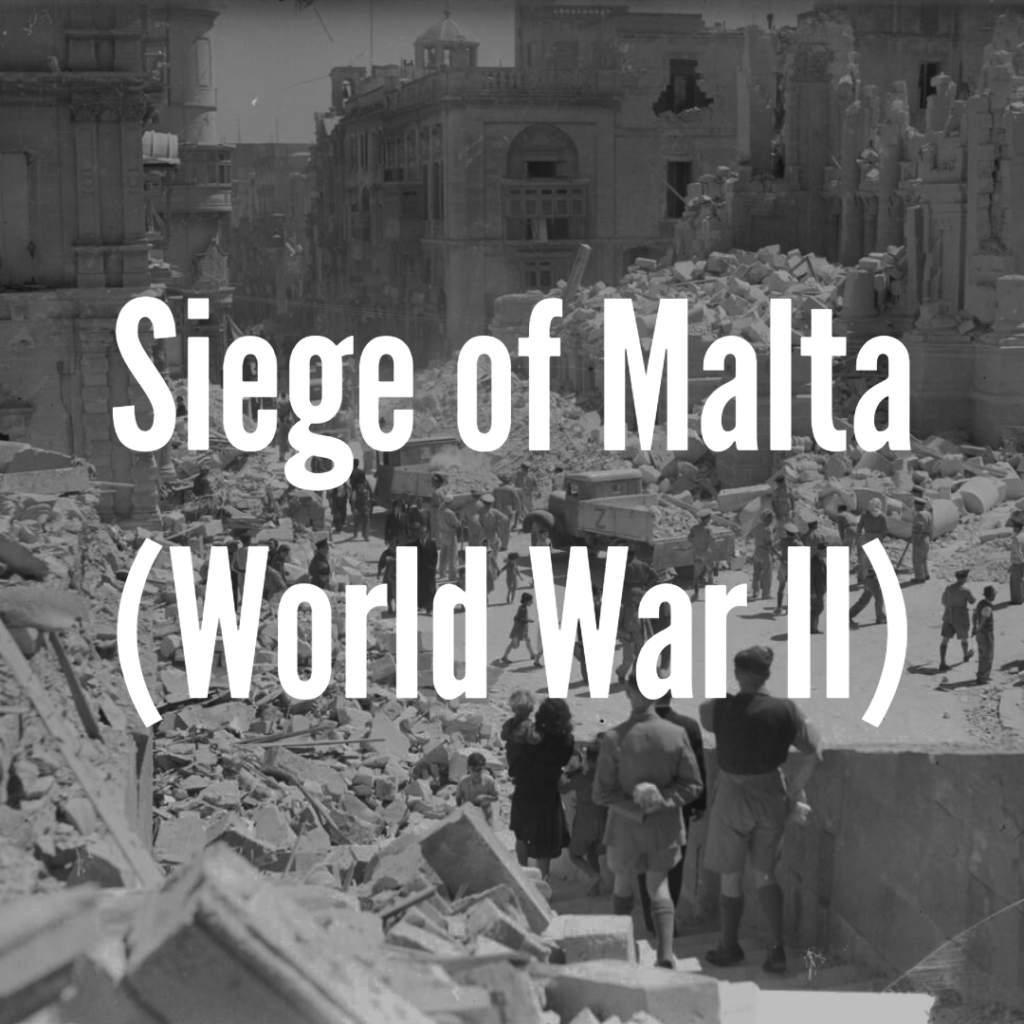
Malta holds a unique place in World War II history. For a period between 1940 and 1942, it endured one of the most intense and sustained bombing campaigns ever recorded. Many historians and sources describe it as the most heavily bombed place on earth during the war.
The Siege Begins
The siege started on 11 June 1940, just hours after Italy declared war on Britain. On that first day alone, Italian aircraft carried out multiple raids, dropping at least 142 bombs on Maltese airfields.
This marked the beginning of a prolonged air assault by both Italian and later German forces, aimed at neutralising Malta’s strategic position in the Mediterranean.
Scale of the Bombing
Over the course of the siege:
- Around 3,000 to 3,300 air raids were carried out over the islands.
- Between 14,000 and 15,000 tonnes of bombs were dropped.
- In April 1942 alone, about 6,700 tonnes of bombs fell in a single month.
The intensity was extreme. At its peak, Malta experienced near-constant bombardment, with some periods allowing almost no rest from air-raid alerts.
Why Malta Was Targeted
Malta sat at a critical junction between Europe and North Africa. Allied forces used it to disrupt Axis supply lines heading to campaigns in Libya and Egypt. This made the island a prime target.
The Axis strategy was simple:
- Destroy airfields and docks
- Cut supply routes
- Break civilian morale
Bombing often targeted civilian areas as well as military infrastructure, adding to the psychological pressure.
Was Malta the Most Bombed Place?
Malta is often described as the most bombed place on earth in proportion to its size.
While larger cities like London or Berlin received more total tonnage, Malta’s small area meant the concentration of bombs was exceptionally high. By 1942, it had earned what some sources call the “dubious distinction” of being the most bombed location during the war.
Human and Physical Cost
The impact was severe:
- Over 10,000 buildings were destroyed or heavily damaged
- Around 1,500 civilians were killed, and many more were injured
- Entire communities lived in shelters for months
Despite this, Malta did not surrender. In 1942, the island was awarded the George Cross for collective bravery.
Conclusion
Malta endured thousands of bombing raids and tens of thousands of tonnes of explosives during World War II. The siege began with relatively small attacks in June 1940 but escalated into one of the most concentrated bombing campaigns in history.
Its resilience shaped the outcome of the Mediterranean war and left a lasting record of endurance under sustained aerial attack.
Image: Russell, J E (Lt) – Royal Navy official photographer, Public domain